


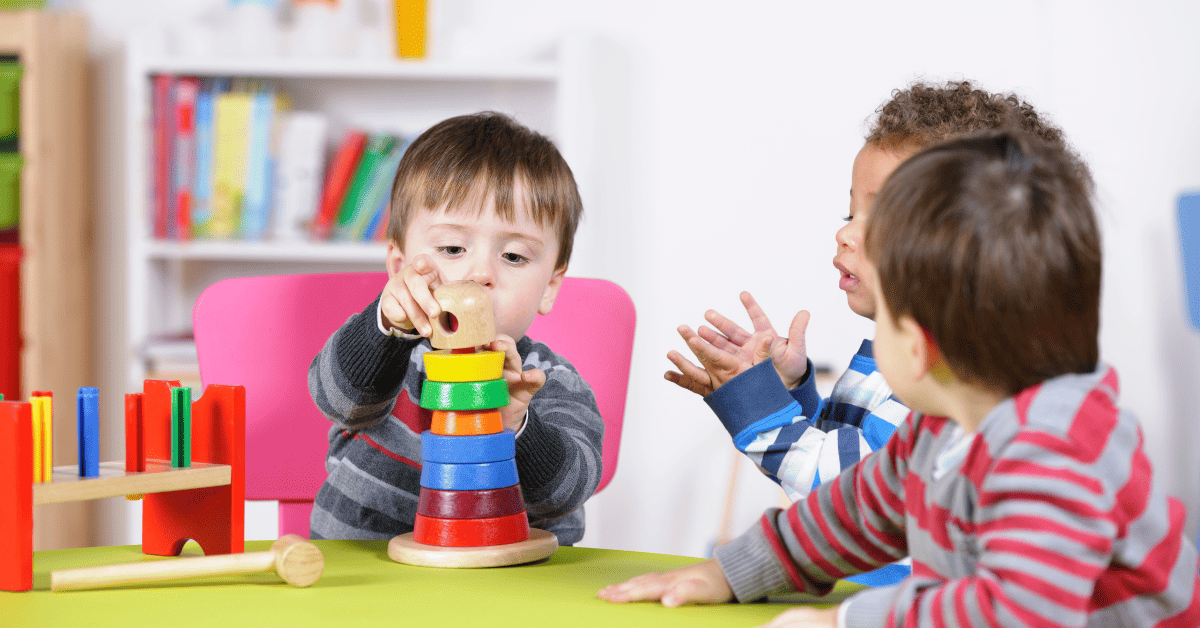
acozyfuture.com - You watch your toddler play next to another child, not together, just side by side. It makes you wonder: What is parallel play, and is this normal?
It can feel confusing when they don’t interact the way you expect. The truth is, this stage is a natural part of growing up. Here’s what parallel play really means, when it starts, and why it matters more than you think.
Table of Contents:
What Is Parallel Play? (Simple Answer)

Parallel play is when young children play next to each other without directly interacting. They may use similar toys, watch each other, or even copy actions, but they’re not actively playing together yet.
This stage is most common between 1 and 3 years old, and it’s a natural step before children begin more social, cooperative play.
Why Parallel Play Can Feel Confusing (and That’s Okay)
As adults, we think of play as something shared. Talking, laughing, taking turns. So when our children don’t do that right away, it can feel like something is missing.
You might find yourself wondering:
-
Why aren’t they playing together?
-
Are they shy?
-
Are they falling behind?
But from your child’s point of view, something else is happening. They are observing, learning, and figuring things out quietly before jumping in.
It may not look social, but it’s building the foundation for it.
Why Does Parallel Play Happen?
Toddlers are in a stage where everything is new. Sounds, movements, emotions, people. It’s a lot to take in.
Parallel play gives them space to:
-
Be near others without pressure
-
Watch how others play
-
Build confidence in their own actions
It’s a bit like standing at the edge of a pool before jumping in. They’re not avoiding interaction. They're preparing for it.
Read More: Toddler Tantrums: 7 Calming Tips That Actually Work
When Does Parallel Play Start? (Age Timeline)

Understanding the timeline can make this stage feel a lot less uncertain.
0 to 12 Months
In the first year, play is mostly solo. Babies explore their surroundings, their hands, and whatever they can reach.
They may notice others, but interaction is still very limited.
1 to 2 Years
This is where parallel play begins.
You might notice your toddler:
-
Playing near other children
-
Watching them closely
-
Occasionally copying what they’re doing
They’re interested, just not quite ready to join in.
2 to 3 Years
This is the peak of parallel play.
Children become more aware of others. They may:
-
Use the same toys
-
Sit close together
-
React to each other’s actions
But they’re still mostly doing their own thing.
3 Years and Beyond
Gradually, things start to shift.
You’ll begin to see:
-
Turn-taking
-
Simple conversations
-
Shared play
Parallel play slowly turns into more interactive, cooperative play.
Signs of Parallel Play
Sometimes it’s easier to recognize this stage when you know what to look for.
Your child may:
-
Play beside other children without joining them
-
Watch what others are doing
-
Copy actions or movements
-
Use similar toys nearby
-
Focus on their own activity
It may look like they’re ignoring others, but they’re actually paying close attention.
Read More: 14 Sensory Activities for Toddlers to Boost Learning
Is My Child Ignoring Others or Learning?
This is one of the biggest worries parents have.
It can feel like your child is uninterested in others, especially when they don’t respond right away. But most of the time, they’re not ignoring anyone.
They’re:
-
Observing how others move and play
-
Learning social cues
-
Building confidence quietly
Think of it as learning by watching before doing. It’s a slower, quieter kind of connection.
Parallel Play at Home vs. At the Playground

You might notice this behavior looks a little different depending on where you are.
At Home
Parallel play often happens between siblings or during playdates.
-
Sitting next to each other with different toys
-
Occasionally glancing at one another
-
Playing independently in the same space
It feels calm and familiar.
At the Playground
In a new environment, parallel play can look more like:
-
Playing near other children without joining
-
Watching before trying something new
-
Staying close but not interacting
This is your child learning to navigate social spaces at their own pace.
What If My Child Prefers Playing Alone?
Some children naturally take longer to warm up to others.
If your child prefers playing alone, it doesn’t always mean something is wrong. It could simply be their personality.
Some children:
-
Need more time to observe
-
Feel comfortable playing independently
-
Transition into social play more gradually
As long as they’re curious and engaged with their environment, they’re still learning.
4 Benefits of Parallel Play
Even though it looks simple, this stage is doing a lot behind the scenes.
Builds Social Awareness
Children begin to notice others, their actions, and their reactions.
Encourages Independence
They learn to play on their own without relying on constant interaction.
Supports Communication Skills
Before speaking and interacting, children listen and observe. This helps build language over time.
Helps Emotional Growth
Being near others without pressure helps children feel safe in social settings.
Does Parallel Play Help with Speech Development?
Yes, in quiet but important ways.
During parallel play, children:
-
Hear words and sounds from others
-
Watch how communication happens
-
Begin to understand social language
Even if they’re not speaking much yet, they’re absorbing everything around them.
Parallel Play vs. Other Types of Play
It helps to see where this stage fits in the bigger picture.
-
Solitary play: Playing alone
-
Parallel play: Playing side by side
-
Associative play: Starting to interact loosely
-
Cooperative play: Playing together with shared goals
Each stage builds on the one before it.
How to Support Your Child During Parallel Play
You don’t need to teach this stage. Just support it!
-
Create safe, shared play spaces
-
Offer similar toys for side-by-side play
-
Arrange low-pressure playdates
-
Let interaction happen naturally
Try not to rush it. Your child is learning in their own time.
Support Every Playful Milestone with Cozycove Diapers
As babies grow, they begin exploring the world through parallel play, happily playing beside other little ones while discovering new things on their own. From sharing toys nearby to copying fun actions, these moments are important milestones in your baby’s development.
Cozycove Diapers are designed to move with your baby, keeping them dry, comfy, and ready for every playful adventure. Made with soft, breathable materials and a super-absorbent core, they provide reliable leak protection while staying gentle on delicate skin.
Choose Cozycove Diapers to support every playful moment, little discovery, and growing milestone.
👉 Check out our products:
Cozycove Snooze On Diapers (Travel Pack)
Cozycove Play Hard Diapers (Travel Pack)
Should You Step In or Let It Happen?
It can be tempting to encourage sharing or interaction, especially when other children are involved. But most of the time, it’s best to let things unfold naturally.
Step in only when:
-
There’s conflict
-
Someone gets upset
-
Safety is involved
Otherwise, quiet observation is enough.
Simple Activities That Encourage Parallel Play

You don’t need anything complicated.
Try:
-
Building blocks side by side
-
Coloring next to each other
-
Playing with matching toys
-
Rolling balls back and forth (gently introducing interaction)
These create opportunities without pressure.
Read More: Parallel Parenting: What It Is and How to Make It Work
Let’s Compare: Parallel Play vs. Screen Time
This is an important difference.
With parallel play, your child is:
-
Observing real people
-
Learning social cues
-
Engaging with their environment
With screens, interaction is one-sided.
Real-life play offers something screens simply can’t replace, human connection.
Why Parallel Play Looks Different for Every Child
No two children experience this stage the same way.
Differences can come from:
-
Personality (shy vs. outgoing)
-
Environment
-
Cultural expectations
Some children jump into interaction quickly. Others take their time.
Both are totally okay!
When Should You Be Concerned?
While parallel play is normal, there are times to check in with a professional.
You might want to speak to a pediatrician if your child:
-
Shows no interest in others by age 3
-
Avoids eye contact consistently
-
Doesn’t respond to social cues
It’s always okay to ask questions if something feels off.
Quick Answer: What Is Parallel Play?

-
Playing side by side, not together
-
Common between ages 1 and 3
-
Helps build social and emotional skills
-
Leads to interactive play later
Final Thoughts: Parallel Play
Watching your child play next to others without joining in can feel a little strange at first. It doesn’t match what we expect the play to look like.
But in those quiet moments, something important is happening.
They’re learning how to be around others. How to watch, understand, and slowly connect.
They may not be playing together yet, but they’re getting there, one small step at a time.
Share:
When Do Babies Start Grabbing Things? Age and Milestones
How to Handle 3 Year Old Tantrums: Causes and Solutions