


acozyfuture.com - Eco-conscious parents are increasingly opting for biodegradable diapers in an effort to reduce waste and minimize environmental harm. However, one major question remains: Do biodegradable diapers really break down as brands claim?
This blog explains how biodegradable diapers work, where they actually decompose, and what parents should expect when choosing eco-friendly diaper options.
What Are Biodegradable Diapers?

Biodegradable diapers are diapers made with plant-based materials designed to break down more quickly than traditional disposables. Unlike regular diapers, which rely heavily on plastics and petroleum-based components, biodegradable options often use:
-
Bamboo fibers
-
Cornstarch-based bioplastics
-
Wood pulp
-
Plant-derived liners
Learn the Difference: Biodegradable Diapers vs. Compostable Diapers vs. Regular Diapers
-
Biodegradable diapers: Can break down naturally, but only under specific conditions.
-
Compostable diapers: Must meet strict standards and need industrial composting to fully break down.
-
Regular disposable diapers: Mostly made of plastic and can take hundreds of years to degrade.
Understanding these distinctions is key because “biodegradable” does not guarantee quick decomposition.
How Biodegradable Diapers Break Down
Biodegradable diapers decompose through natural processes involving microbes, moisture, heat, and oxygen. When conditions are ideal, the plant-based components begin to break apart and return to the environment.
Conditions Needed for Proper Breakdown
✔️ Constant airflow
✔️ Controlled moisture
✔️ Sufficient microbial activity
✔️ Warm temperatures
Which Parts Break Down?
In most biodegradable diapers:
-
Plant-based fibers, core, and liners break down.
-
Plastic tabs, elastics, adhesives, and some waterproof layers may not fully decompose.
This means many biodegradable diapers are only partially biodegradable.
Do Biodegradable Diapers Break Down in Landfills?

In most cases, no.
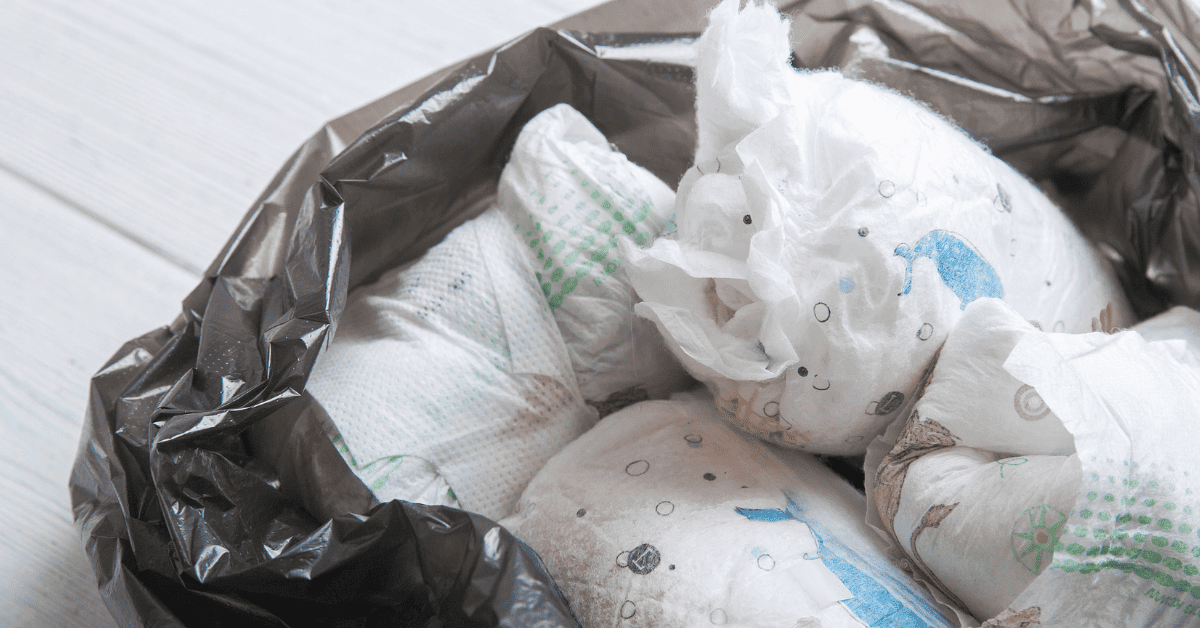
Landfills lack the oxygen and microbial activity needed for decomposition. Materials, biodegradable or not, often remain intact for decades. Many landfill environments are purposely sealed to prevent contamination, resulting in extremely slow breakdown.
Why Landfills Stop Biodegradation
-
Low oxygen
-
Compacted waste
-
Limited moisture
-
Minimal microbial activity
Even biodegradable diapers can take years or fail to break down entirely in landfills.
Read More: Can Disposable Diapers Ever Become Eco-Friendly?
Home Composting vs. Industrial Composting
Home Composting
Most biodegradable diapers are not safe for home composting if they contain human waste. Pathogens from baby poop can contaminate soil, making it unsafe for garden use.
Only certain diaper parts (e.g., bamboo liners without solids) may be compostable at home. Always follow brand guidelines.
Industrial Composting
Industrial composting facilities have controlled environments that reach high temperatures and support rapid biodegradation. Many biodegradable diapers are designed specifically for these facilities.
However, industrial composting access varies widely by region, and many parents do not have local facilities that accept diaper waste.
Read More: Minimising the Environmental Harm Caused by Disposable Diapers
Environmental Impact: Biodegradable Diapers vs. Regular Diapers
Biodegradable Diapers
-
Use fewer plastics
-
Reduce long-term waste
-
Offer lower environmental toxicity
Regular Diapers
-
Can take 300-500 years to decompose
-
Contain petrochemicals
-
Contribute heavily to landfill volume
Greenwashing Concerns
Some brands label diapers as “eco-friendly” even if only a small portion is biodegradable. Reading certifications and material breakdown percentages is essential.
How Parents Can Reduce Diaper Waste
Even if biodegradable diapers don't fully decompose in landfills, parents can still reduce waste impact:
-
Use cloth diapers part-time
-
Choose diapers with higher plant-based material content
-
Reduce daily diaper usage when possible
-
Support local industrial composting programs
-
Dispose of diapers properly by removing solids before trashing (when possible)
Small changes can significantly reduce the environmental footprint over time.
Cozycove’s Mission and Vision: Reducing Diaper Waste for a Cleaner Future

Cozycove Diapers are the perfect choice for eco-conscious parents who want reliable protection while reducing their environmental impact.
Inspired by a simple yet powerful vision, Cozycove was created with one goal in mind: Envision a future without diaper waste. We believe caring for your baby should bring joy and comfort, not contribute to plastic pollution.
Our ultra-thin and highly absorbent diapers are thoughtfully made for sensitive skin and active little explorers. Every detail is designed with sustainability, softness, and performance in mind.
Our mission guides everything we do. We are committed to reducing diaper waste and building a cleaner, safer world for future generations.
Each Cozycove diaper features a 5 Layer Pee Lock core that holds over 600ml for up to 12 hours of dryness, breathable fabrics that prevent irritation, and flexible fits that support worry-free play. No harsh chemicals. No leaks. Only all-day comfort parents can trust!
🏆 Check out our progress:
Cozycove is Plastic Neutral! Next Up: Diaper Neutral
Cozycove's Visit to Envcares: A Leader in Singapore B2B Waste Management and Recycling
Cozycove USA signs MOU with Diaper Recycling Technologies
👉 Check out our diapers:
Frequently Asked Questions
1. How long do biodegradable diapers take to decompose?
In ideal composting conditions, they can break down in 3 to 6 months. In landfills, the process can take years or may not fully occur.
2. Are biodegradable diapers better for the environment?
Yes. They use more plant-based materials and reduce long-term plastic waste compared to traditional disposable diapers.
3. Can you compost biodegradable diapers at home?
Usually no, due to hygiene and pathogen concerns. Only select components may be compostable at home, depending on the brand.
4. Are biodegradable diapers safe for babies with sensitive skin?
Yes. Most biodegradable diapers use fewer chemicals and can be gentler on sensitive skin.
5. Are there fully biodegradable diapers?
Few diapers are 100 percent biodegradable. Most brands still use some plastic components for function.
6. Do biodegradable diapers reduce carbon footprint?
They can reduce carbon footprint due to lower plastic use, fewer petrochemicals, and more sustainable materials.
Conclusion: Do Biodegradable Diapers Really Break Down?
Biodegradable diapers can break down, but only under the right conditions.
Most do not fully decompose in landfills due to a lack of oxygen and microbial activity. They degrade more effectively in industrial composting facilities, though access to these facilities varies.
Parents should view biodegradable diapers as a better environmental choice than regular disposables, but not a perfect solution. Material transparency, certifications, and proper disposal are key to making a real impact.
Related Articles:
Can Disposable Diapers Ever Become Eco-Friendly?
Minimising the Environmental Harm Caused by Disposable Diapers
What Happens When You Throw Away Used Diapers in Singapore?
Share:
Can Disposable Diapers Ever Become Eco-Friendly?
What Is Plastic Neutrality? A Parent’s Guide to Net-Zero Plastic Parenting