


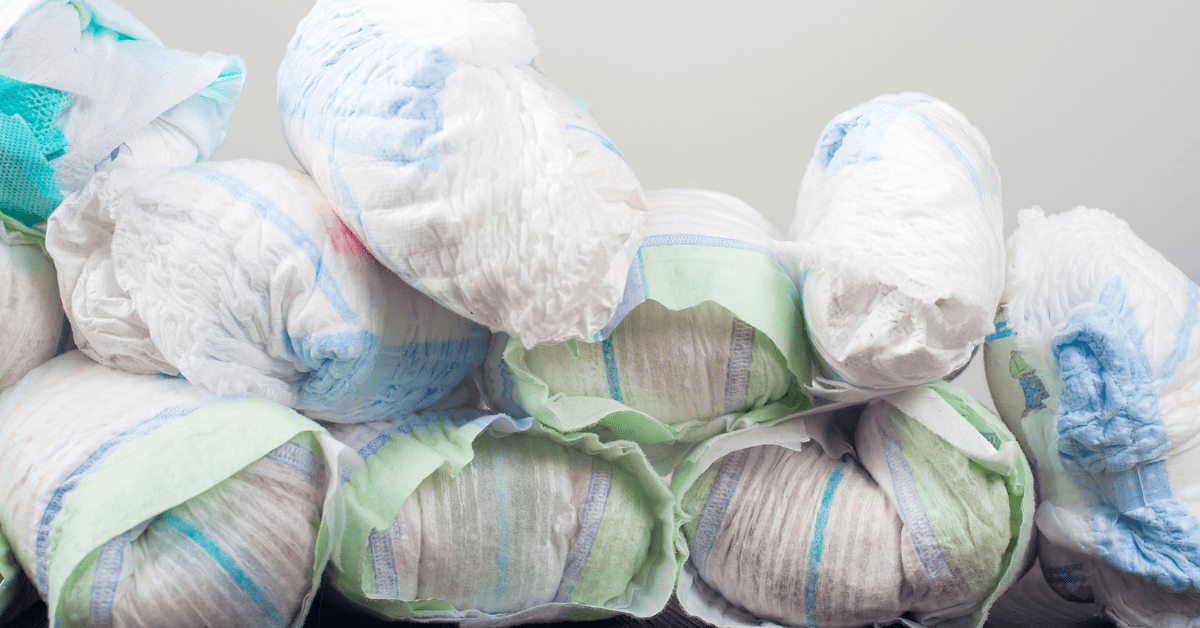
acozyfuture.com - Learning that your baby can go through thousands of diapers before potty training is enough to make any parent pause. Then comes another question many parents eventually ask: How long does it take for a diaper to decompose?
The answer can be surprising. Understanding what happens after a diaper is thrown away can help you make more informed choices without feeling overwhelmed.
Table of Contents:
-
The Hidden Environmental Cost Many Parents Don't Think About
-
Final Thoughts: How Long Does It Take for a Diaper to Decompose?
How Long Does It Take for a Diaper to Decompose?

A conventional disposable diaper can take 250 to 500 years to decompose in a landfill. The exact timeline depends on the materials used and the conditions where the diaper ends up.
Unlike food scraps or paper, diapers contain plastics, super absorbent polymers (SAP), adhesives, and elastic materials that break down very slowly. Since landfills have limited oxygen and sunlight, the decomposition process is much slower than many people expect.
Why Do Disposable Diapers Take So Long to Decompose?
Disposable diapers are designed to keep babies dry, comfortable, and protected from leaks. The same features that make them effective also make them slow to decompose.
Here's what they're made of:
Plastic Back Sheet
The waterproof outer layer is usually made from plastic, which can remain in the environment for hundreds of years.
Super Absorbent Polymer (SAP)
SAP is the material that absorbs and locks away liquid. It's one of the key reasons disposable diapers work so well, but it doesn't biodegrade quickly.
Wood Pulp
Most diapers contain wood pulp, which is one of the few biodegradable components. However, it's only one part of the diaper.
Elastics and Adhesives
The stretchy waistbands, leg cuffs, and adhesive tabs are also made from synthetic materials that take a long time to break down.
Read More: Can Disposable Diapers Ever Become Eco-Friendly?
What Happens After You Throw a Diaper Away?

Many people imagine that once a diaper reaches the landfill, it slowly disappears over time.
The reality is a little different.
A typical disposable diaper follows this journey:
-
It goes into your household trash.
-
It's collected by waste management services.
-
It's transported to a landfill or, in some areas, an incineration facility.
-
In a landfill, it's buried beneath layers of other waste.
-
It remains there for decades or even centuries as it slowly breaks down.
Because landfills are designed to limit air and moisture, even biodegradable materials decompose much more slowly than they would in nature.
Can Disposable Diapers Actually Biodegrade?
This is where many parents get confused.
The words biodegradable, compostable, and decomposable are often used interchangeably, but they don't mean the same thing.
-
Biodegradable means a material can eventually be broken down by microorganisms.
-
Compostable means it can break down into natural materials under specific composting conditions.
-
Decomposable simply means something will break down over time, though that process could take hundreds of years.
Some disposable diapers contain plant-based materials that biodegrade more easily, but that doesn't mean the entire diaper will quickly disappear in a landfill.
Read More: Do Biodegradable Diapers Really Break Down?
How Long Do Different Types of Diapers Take to Break Down?
Not all diapers have the same environmental footprint.
|
Diaper Type |
Estimated Breakdown Time |
|
Conventional disposable diaper |
250-500 years |
|
Plant-based disposable diaper |
Some materials break down faster, but plastics may remain |
|
Cloth diaper |
Reusable for years; decomposition depends on fabric |
|
Compostable diaper |
Weeks to months in industrial composting facilities |
It's important to remember that even eco-friendly diapers often require proper composting facilities. If they're sent to a landfill, they may not decompose as intended.
The Environmental Impact of Disposable Diapers
Disposable diapers are convenient, but they also contribute to household waste.
Beyond their long decomposition time, diapers require raw materials, energy, and water to manufacture. Transporting them from factories to stores also creates greenhouse gas emissions.
That doesn't mean parents should feel guilty for using disposable diapers. Every family has different needs, budgets, and lifestyles. Understanding the environmental impact simply helps parents make informed choices.
The Hidden Environmental Cost Many Parents Don't Think About
When people talk about diapers and sustainability, they usually focus on landfill waste. But there's more to the story.
Disposable diapers also involve:
-
Plastic packaging
-
Fuel used during transportation
-
Energy consumed during manufacturing
-
Storage and distribution before reaching stores
Looking at the full lifecycle of a diaper gives a more complete picture of its environmental impact.
Small Ways Parents Can Reduce Diaper Waste
You don't have to completely change your parenting routine to make a difference.
Here are a few simple ways to reduce diaper waste:
Choose the Right Size
A well-fitting diaper helps prevent leaks and blowouts, reducing unnecessary diaper changes.
Change Diapers When Needed
Frequent changes are important for hygiene, but changing a diaper before it's necessary can increase waste.
Consider Eco-Conscious Brands
Some brands use responsibly sourced materials or reduce the amount of plastic used in their diapers.
Dispose of Diapers Properly
For babies eating solid foods, many health organizations recommend disposing of solid waste in the toilet before throwing away the diaper, following your local waste guidelines.
Think Beyond Diapers
Reusable wipes, refillable baby products, and minimizing unnecessary packaging can also help reduce your family's overall environmental footprint.
Common Myths About Diaper Decomposition
Myth: Every Diaper Takes Exactly 500 Years to Decompose
Not necessarily. Decomposition time depends on the diaper's materials and landfill conditions.
Myth: Biodegradable Diapers Break Down Anywhere
Many biodegradable products require industrial composting facilities. In landfills, they may still decompose very slowly.
Myth: Cloth Diapers Have No Environmental Impact
Cloth diapers reduce landfill waste but still require water, electricity, and detergent for repeated washing.
Myth: Disposable Diapers Are the Only Environmental Concern
Packaging, transportation, and manufacturing all contribute to a diaper's environmental footprint.
Cozycove: More Than Just a Diaper
At Cozycove, we're committed to creating a greener future, one diaper at a time. While we design soft, dermatologist-approved diapers that are hypoallergenic and made without fragrances, chlorine, wood pulp fibres, phthalates, or parabens, our mission goes beyond your baby's comfort.
Inspired by our vision of "A Future Without Diaper Waste", we're continuously exploring more sustainable materials, reducing unnecessary plastics, and supporting diaper recycling initiatives to help families make more earth-conscious choices.
Every Cozycove diaper purchased helps support the development of this waste-reduction infrastructure, bringing us one step closer to a cleaner, greener future for the next generation.
Read More: Cozycove is Plastic Neutral! Next Up: Diaper Neutral
Cozycove Snooze On Diapers (Travel Pack)
Cozycove Play Hard Diapers (Travel Pack)
Frequently Asked Questions
How long does it take for a diaper to decompose?
Most disposable diapers take an estimated 250 to 500 years to decompose in a landfill because they contain plastics and super absorbent polymers that break down very slowly.
Are biodegradable diapers really better?
Biodegradable diapers may reduce plastic use and include more renewable materials, but many still require industrial composting facilities to break down effectively. Their environmental benefits depend on how they are disposed of.
Which type of diaper is the most environmentally friendly?
There isn't a one-size-fits-all answer. Cloth diapers reduce landfill waste through reuse, while some eco-friendly disposable diapers use more sustainable materials. The right choice depends on your family's lifestyle, priorities, and access to proper waste management.
Final Thoughts: How Long Does It Take for a Diaper to Decompose?

Learning that a disposable diaper may take centuries to decompose can feel overwhelming at first. But parenting is full of balancing convenience, comfort, budget, and sustainability.
Whether you choose conventional disposable diapers, cloth diapers, or an eco-conscious alternative, remember that every thoughtful choice matters. Small changes, whether it's choosing the right diaper size, reducing unnecessary waste, or learning more about the products you use, can make a meaningful difference over time.
After all, caring for your baby and caring for the world they'll grow up in can go hand in hand.
Related Articles:
Do Biodegradable Diapers Really Break Down?
Eco Friendly Diapers: A Complete Guide for Parents
Can Disposable Diapers Ever Become Eco-Friendly?
The Pros and Cons of Disposable Diapers vs Cloth Diapers
Minimising the Environmental Harm Caused by Disposable Diapers
Share:
Eco Friendly Diapers: A Complete Guide for Parents
A Step Toward a Greener Future: Cozycove Is ClimatePartner Certified!