


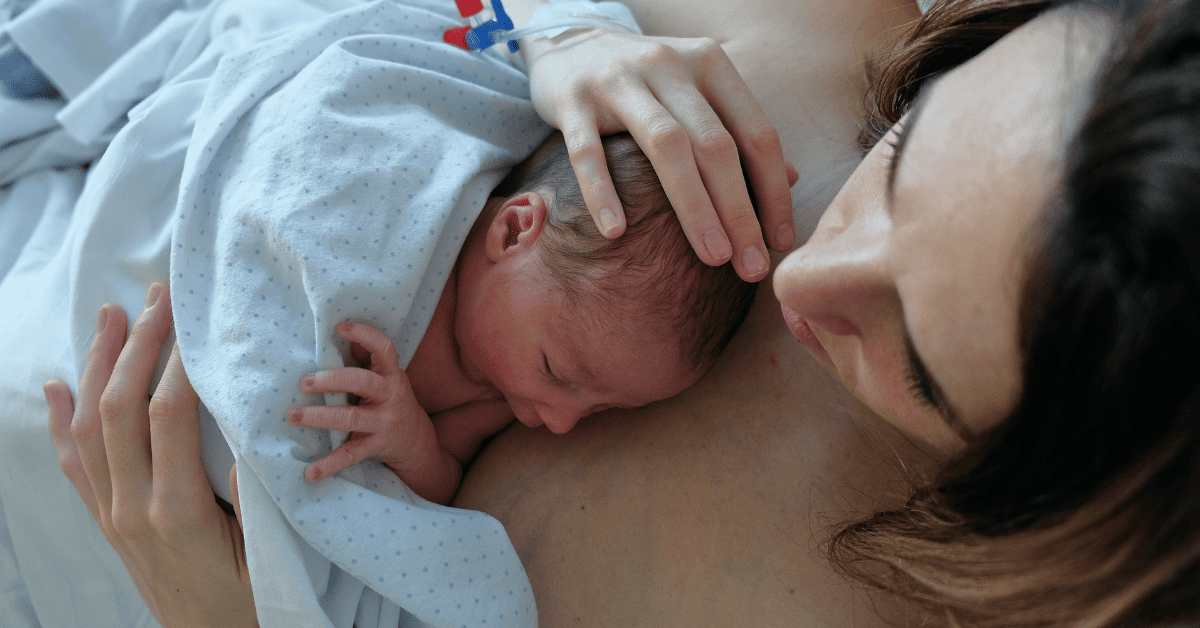
acozyfuture.com - The first moments after birth are often filled with emotion, relief, and excitement. One simple practice that can make those moments even more meaningful is skin to skin with baby.
Many hospitals recommend skin-to-skin contact immediately after birth because of its proven benefits for both babies and parents. In this blog, you will learn what skin to skin with a baby means, why it matters, when to start, and how to do it safely.
Table of Contents:
What Is Skin to Skin with Baby?

Skin-to-skin contact occurs when a newborn baby is directly placed on a parent’s bare chest without any clothing between their skin. During this contact, the baby usually wears only a diaper while lying against the parent’s chest, with a blanket to stay warm.
This practice often begins right after birth. However, in many cases, it can continue during the newborn stage and beyond.
Skin to skin with baby is sometimes called kangaroo care, especially in medical settings. The name comes from how kangaroos carry their babies close to their bodies, creating warmth and protection.
Is Skin to Skin with Baby Important?
Skin-to-skin contact between a baby and a parent may look simple. But did you know that it actually triggers powerful biological responses?
During the first few months of life, newborns are adjusting to life outside the womb. They must regulate breathing, body temperature, heart rate, and stress levels.
Skin-to-skin contact has a crucial role in helping stabilize these systems naturally.
For parents, this experience also stimulates the release of oxytocin, also known as the “bonding hormone”. Oxytocin is a hormone with many benefits like supporting emotional connection, reducing stress, and helping mothers produce breast milk.
Because of these benefits, many doctors encourage parents to practice skin to skin with baby during the first hour after birth, sometimes referred to as the “golden hour”.
Benefits of Skin to Skin with Baby

Benefits for Babies
Helps Regulate Body Temperature
Newborn babies are not able to regulate their body temperature very well. A parent’s chest naturally adjusts its warmth to match the baby’s needs, which helps prevent the baby from becoming too cold or overheated.
Supports Stable Heart Rate and Breathing
Studies have shown that babies placed in skin-to-skin contact with their parents often develop more stable heart rates and breathing patterns. This is because a closeness to a parent’s body can help regulate these vital signs.
Encourages Successful Breastfeeding
Skin-to-skin contact stimulates a newborn’s natural feeding instincts. Many babies begin to move toward the breast on their own during this time, which can make breastfeeding easier to start.
Reduces Crying and Stress
Babies who experience skin-to-skin contact tend to cry less. The warmth, scent, and sound of a parent’s heartbeat create a calming environment that reduces stress.
Supports Healthy Weight Gain
Calmer babies often feed more effectively and conserve energy, which can contribute to healthy growth and weight gain.
Benefits for Parents
Strengthens Emotional Bonding
Holding your baby close helps build a strong emotional connection. This closeness allows parents to become familiar with their baby’s movements, sounds, and cues.
Boosts Confidence in Caring for a Newborn
Many parents feel nervous when caring for a newborn. Skin to skin with baby helps parents feel more comfortable handling their baby and recognizing their needs.
Encourages Milk Production
For mothers who plan to breastfeed, skin-to-skin contact helps stimulate hormones that support milk production and let-down.
Reduces Stress and Anxiety
Did you know that physical closeness with a baby allows parents to relax? The release of oxytocin during skin-to-skin contact can reduce feelings of stress and promote a sense of calm.
When Should You Start Skin to Skin with Baby?
Immediately After Birth
If both the baby and the parent are stable, the majority of medical professionals advise skin-to-skin contact as soon as possible after delivery. Before being weighed or given a bath, the infant should be placed directly on the parent's chest during this period.
This early interaction strengthens the bond between parent and child and aids in the baby's transition to the outside world.
After a C-Section
After a caesarean delivery, skin-to-skin contact is still possible. Medical staff will assist in placing the baby safely on the parent's chest while they recover in many hospitals. The other parent or partner can frequently take over if the mother is unable to perform skin-to-skin right away.
During the First Weeks at Home
Leaving the hospital doesn’t mean skin-to-skin contact has to stop. Since it is still helpful for bonding and calming, many parents continue to practise it during the newborn stage.
During quiet times, like after feedings or before naps, some parents enjoy making skin to skin with their baby.
How Long Should Skin to Skin with Baby Last?
There is no strict time limit for skin-to-skin contact. Nonetheless, if at all possible, many medical professionals advise waiting at least 60 minutes after birth.
Parents can practice skin to skin with baby whenever it's convenient for them at home. Even brief sessions lasting 20 to 30 minutes can be beneficial.
Some parents include skin-to-skin time in their daily schedule, especially during the first few weeks. Consistency and comfort for both parent and child are crucial.
How to Do Skin to Skin with Baby Safely
Skin-to-skin contact is simple, but it should always be done safely.
Step-by-Step Guide for Parents
-
Remove your baby’s clothing except for a diaper.
-
Sit or recline in a comfortable position.
-
Place your baby upright against your bare chest.
-
Turn your baby’s head to the side so they can breathe easily.
-
Cover your baby’s back with a light blanket to keep them warm.
-
Relax and enjoy the bonding moment.
Safe Positions for Skin-to-Skin Contact
The safest position keeps the baby upright against your chest with their head turned to the side. This position keeps the airway clear and allows you to easily observe your baby’s breathing.
It is best to stay awake and alert during skin-to-skin contact, especially with newborns.
When to Take Breaks
You may need to pause skin-to-skin contact if:
-
Your baby becomes too warm
-
Your baby seems uncomfortable
-
You feel sleepy or unable to stay alert
Taking breaks is normal. You can resume skin-to-skin contact whenever both you and your baby are comfortable again.
Skin to Skin with Baby for Fathers and Partners

It’s important to know that skin-to-skin contact is not just for mothers. Fathers and partners can also enjoy this special bonding experience.
Babies benefit from the warmth, heartbeat, and familiar scent of any caregiver.
When fathers practice skin-to-skin contact, it can help babies feel calm and secure. Many fathers find that skin-to-skin time helps them feel more connected to their newborn. It can also give the mother time to rest and recover post birth.
To practice skin-to-skin contact, partners can follow the same steps: Place the baby on their bare chest and cover them with a blanket while sitting comfortably.
Situations Where Skin to Skin May Need Extra Care
In some situations, skin-to-skin contact may require additional guidance from healthcare professionals.
Premature Babies
Premature babies often benefit greatly from skin-to-skin contact because it supports temperature regulation and growth. However, it should usually be done under medical supervision.
Babies in the NICU
Many neonatal intensive care units encourage kangaroo care when the baby is stable. Nurses often guide parents on how to hold their baby safely.
Parents Recovering from Surgery
Parents recovering from a C-section or other medical procedures may need help positioning their baby comfortably.
If you have concerns about safety, it is always best to speak with your doctor or nurse.
Common Mistakes to Avoid During Skin-to-Skin Contact
Although skin-to-skin contact is simple, a few safety precautions are important.
-
One common mistake is falling asleep while holding the baby. It is best to stay awake so you can monitor your baby’s position and breathing.
-
Another mistake is covering the baby’s face with blankets or clothing. The baby’s nose and mouth should always remain clear.
-
Avoid doing skin-to-skin contact in positions where the baby might slide or become trapped.
Signs Your Baby Is Enjoying Skin to Skin
Most babies respond very positively to skin-to-skin contact. Some signs your baby is comfortable include:
-
Relaxed arms and legs
-
Slow and steady breathing
-
Quiet alertness or gentle sleep
-
Less crying
These signals often mean your baby feels safe and secure.
Frequently Asked Questions About Skin to Skin with Baby

What happens if you don’t do skin-to-skin with a baby?
If you don’t do skin to skin with baby, your newborn can still grow and develop normally. However, you may miss some helpful benefits, such as easier bonding, improved temperature regulation, and smoother breastfeeding.
Is it good for babies to do skin-to-skin with their dad?
Yes, it is good for babies to do skin-to-skin with their dad. This close contact helps babies feel calm and secure while also strengthening the emotional bond between the father and the child. Skin-to-skin time with dads can soothe crying, support healthy development, and give mothers time to rest and recover.
Conclusion
Skin to skin with baby is one of the simplest ways to support your newborn’s early development. This gentle practice helps regulate temperature, stabilize vital signs, and strengthen the emotional bond between parent and child.
Whether it happens during the first hour after birth or during quiet moments at home, skin-to-skin contact can bring comfort and reassurance to both the parent and the baby.
Care That Keeps Up with Every Little Moment
From those first quiet days with your newborn to the nonstop energy of a curious toddler, the diaper you choose can make everyday routines feel smoother. When it’s comfortable, reliable, and easy to use, even simple changes become less of a hassle.
Cozycove Diapers are designed to keep your baby feeling dry, calm, and comfortable all day and night.
Made with soft, breathable materials and a highly absorbent core, they help prevent leaks while staying gentle on sensitive skin. That means fewer interruptions and less stress for you.
Choose Cozycove Diapers for dependable protection and cozy comfort your baby can enjoy every day.
👉 Check this out:
Share:
Pincer Grasp Explained: When It Develops and Why It Matters
When Do Babies Start Grabbing Things? Age and Milestones