


acozyfuture.com - Not sure if your baby’s development is on track at this stage? Many parents worry about missing important signs as their little one grows.
Understanding 2 month old milestones can feel overwhelming without clear guidance. This guide breaks down key physical, cognitive, and social milestones to help you recognize healthy development and feel confident supporting your baby’s growth.
Table of Contents:
-
How Environment and Daily Routines Affect 2 Month Old Milestones
-
How 2 Month Old Milestones Prepare Your Baby for the Next Stage
What Are 2 Month Old Milestones?

2 month old milestones are developmental skills most babies begin showing around eight weeks of age. These milestones help parents and pediatricians track physical, cognitive, and social progress.
It’s important to remember milestones are guidelines, not strict deadlines, as babies develop at their own pace.
Milestones vs. Growth Spurts
Growth spurts can temporarily affect sleep, feeding, and behavior, sometimes making babies fussier or sleepier. These changes are normal and do not mean milestones are delayed. Development often resumes once the growth spurt passes.
Read More: Baby Growth Spurts: Key Signs All Parents Should Know
Physical Development Milestones at 2 Months
Head and Neck Control
At this stage, many babies can lift their head briefly during tummy time and turn it from side to side. Improving head control is a key physical milestone that supports future rolling and sitting.
Movement and Muscle Strength
Common 2 month old milestones include smoother arm and leg movements, opening hands more often, and beginning to push up on forearms during tummy time. These movements show strengthening muscles and improving coordination.
Cognitive Development Milestones at 2 Months
Visual and Sensory Awareness
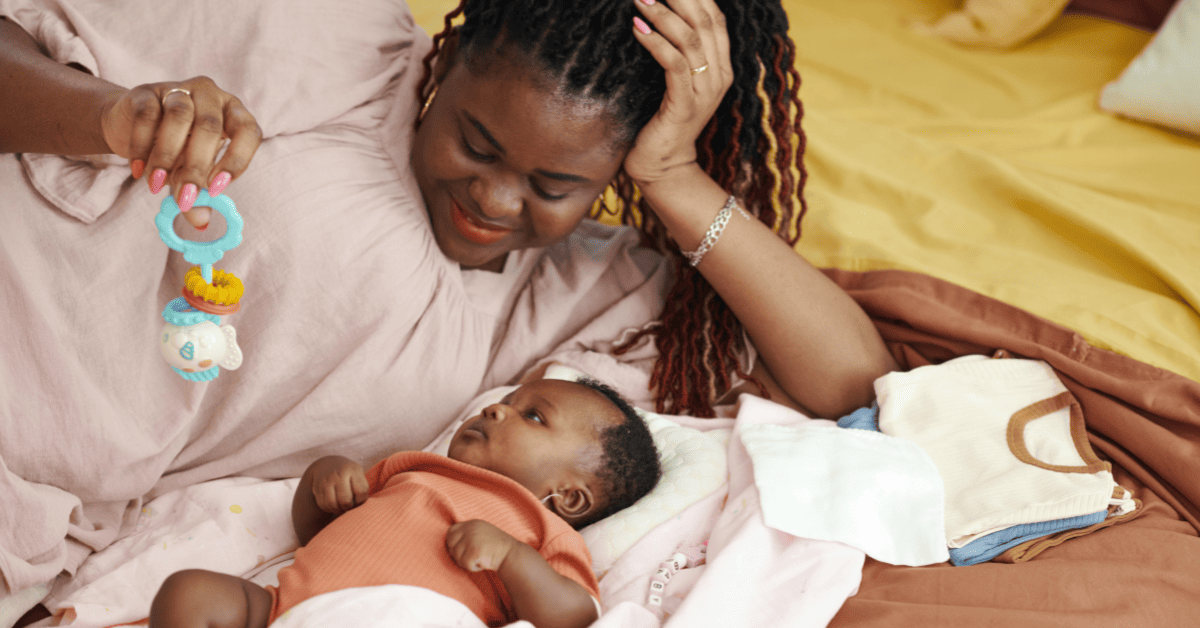
Babies at two months often track faces and objects with their eyes and show greater alertness to their surroundings. This indicates healthy visual development and growing sensory awareness.
Early Learning and Recognition
Recognizing caregivers, responding to familiar voices, and reacting to daily routines are important cognitive 2 month old milestones. These behaviors show early memory and learning skills.
Read More: 1 Month Old Baby: Key Milestones to Expect
Social and Emotional Milestones at 2 Months
Smiling and Interaction
Social smiling, especially in response to faces or voices, is a major emotional milestone. Babies may also make eye contact and show excitement through body movements.
Emotional Development Beyond Smiling
Beyond smiling, babies may calm when comforted, show a preference for familiar caregivers, and respond differently to familiar versus unfamiliar voices. These early attachment signals support emotional development.
Sleep and Feeding Patterns at 2 Months

Most two-month-old babies sleep 14-17 hours per day, often with longer nighttime stretches. Feeding remains frequent, whether breastfed or formula-fed.
Consistent sleep and feeding patterns support healthy 2 month old milestones by providing energy for growth and brain development.
Read More: How to Get Baby to Sleep in Crib: An Essential Guide
What Pediatricians Check at the 2-Month Well-Baby Visit
During the two-month checkup, pediatricians assess weight, length, and head circumference, check muscle tone and reflexes, and observe vision and hearing responses. They also ask about feeding, sleep, and interaction to ensure 2-month-old milestones are developing appropriately.
How Environment and Daily Routines Affect 2 Month Old Milestones

Daily interaction plays a major role in development. Talking, singing, and holding your baby encourage communication skills, while regular tummy time strengthens muscles.
Calm, responsive caregiving supports healthy 2 month old milestones, while overstimulation or screen exposure is discouraged.
How to Support Your Baby’s Development at 2 Months
You can support development by practicing tummy time several times daily, talking and reading to your baby, and offering age-appropriate play. Simple activities (e.g., making eye contact or gently moving toys) help reinforce 2 month old milestones naturally.
Signs Your 2 Month Old Is Developing Normally
Most babies show a mix of physical, cognitive, and social 2 month old milestones at this age.
Some may excel in movement while others focus more on communication. Variation is normal, and progress matters more than exact timing.
Read More: Essential Infant Care: Sleep, Feeding & Development
What’s Normal vs. What’s Concerning at 2 Months
Normal variations include differences in smiling frequency, head control, and sleep patterns. However, consistently not responding to sound, showing very limited movement, or extreme stiffness may warrant a pediatrician’s advice. When in doubt, early discussion is always helpful.
👶 Fresh Days, Peaceful Nights with Cozycove Diapers
Start your parenting journey with the trusted softness and reliable protection of Cozycove Diapers.
Created to keep your baby dry, comfortable, and content around the clock, Cozycove Diapers are made with soft, breathable materials and superior absorbency to reduce leaks while caring for delicate skin. Less mess, less stress, and easier diaper changes for you.
Choose Cozycove Diapers today and see why parents count on them for their newborn’s everyday comfort and protection.
Cozycove Snooze On Diapers (Travel Pack)
Cozycove Play Hard Diapers (Travel Pack)
Common Myths About 2 Month Old Milestones

A common myth is that babies must reach milestones by an exact age. Another misconception is that early milestones predict intelligence. In reality, 2 month old milestones vary widely, and development is influenced by many factors, not speed alone.
When to Talk to a Pediatrician
Parents should consult a pediatrician if their baby shows little movement, doesn’t respond to loud sounds, avoids eye contact, or seems unusually stiff or floppy. Early evaluation supports timely intervention and reassures parents about their baby’s development.
Read More: Preparing for Fatherhood: Every Dad-to-Be Should Know This!
How 2 Month Old Milestones Prepare Your Baby for the Next Stage
Skills developed now, such as head control and social interaction, prepare babies for rolling, laughing, and improved coordination in months three and four. These early 2 month old milestones form the foundation for future physical and cognitive growth.
Frequently Asked Questions About 2 Month Old Milestones

What should my baby be doing at 2 months?
Most babies at this age can lift their head briefly, track objects with their eyes, respond to sounds, and smile socially. These 2-month-old milestones indicate healthy physical, cognitive, and emotional development, though exact abilities vary from baby to baby.
What are the red flags at 2 months?
Red flags at 2 months include not responding to loud sounds, not smiling at people, poor head control, stiff or floppy limbs, or difficulty feeding. Limited eye contact, lack of movement on one side, or minimal interaction may also signal developmental concerns that need medical attention.
Is it normal if my 2 month old isn’t smiling yet?
Yes, it can be normal. While many babies smile socially by two months, some develop this milestone slightly later. As long as your baby shows interest in faces, makes eye contact, or responds to voices, development is usually on track.
How much tummy time does a 2 month old need?
Most pediatricians recommend about 20-30 minutes of tummy time spread throughout the day. This supports head control, muscle strength, and overall 2 month old milestones, while helping prevent flat spots on the head.
Should my 2 month old recognize me?
Yes, many babies begin recognizing primary caregivers at this age. They may respond more positively to familiar voices, faces, or routines. Recognition is a key cognitive and emotional 2 month old milestone, supporting early bonding and attachment.
What is the hardest month with a baby?
Many parents find the first two to three months the hardest, with weeks six to eight often being the most challenging. Babies may experience peak fussiness, frequent night wakings, and growth spurts. Parental exhaustion is common before routines, sleep patterns, and confidence begin to improve.
Conclusion: 2 Month Old Milestones
2 month old milestones offer helpful insight into your baby’s development, but every child grows at their own pace. Focus on progress, provide daily interaction, and seek guidance when needed. Confidence, consistency, and responsive care are the most important supports you can give.
Related Articles:
1 Month Old Baby: Key Milestones to Expect
How to Bathe a Newborn: A Guide for First-Time Parents
Preparing for Fatherhood: Every Dad-to-Be Should Know This!
Matrescence: The Identity Shift All New Moms Face
Baby Growth Spurts: Key Signs All Parents Should Know
Share:
Unique Baby Girl Names 2026: Trendy Picks for New Parents
Motor Development in Newborns: Early Signs to Look For